Canada Creative Credit: What It Could Mean for Artists
In this article
Canada’s proposed Canada Creative Credit could help artists keep more of what they earn from their work. You may have heard the promise of up to $45,000 in tax-free artistic earnings; the details are still being developed.
For an artist making room for creative work alongside another job, family life and the cost of materials, that is an announcement worth understanding. Here is what we know so far, and what we are still waiting to learn.
Sources checked November 6, 2026
What is being proposed?
The government plans to consult on a Canada Creative Credit, with more details promised in the Spring Economic Update 2027. It is not ready to claim yet.
The proposal concerns income from original creative and artistic work. Its $45,000 figure includes the existing Basic Personal Amount—the amount already recognised by the federal tax system before federal income tax becomes payable. It would not be an extra $45,000 on top. You can read the announcement in the federal budget.
What could that mean for you?
The intention is to offer relief from income tax. The proposed credit would be “non-refundable,” which simply means it could reduce the income tax you owe, but any unused portion would not be paid out to you. CRA explains that term here.
We cannot yet say how much any particular artist would save, or which year the credit could first be claimed. There is no need to work out a new tax calculation from this announcement.
Does the amount mean everything you sell?
The budget refers to qualifying net business income. In everyday terms, that means looking at what remains after allowable business costs, rather than simply adding up sales.
If you have sold your work, you already know that the price a customer pays also has to cover the cost of making it. Materials and other business expenses matter. Which costs can be claimed depends on the usual tax rules; larger equipment purchases are treated differently from everyday expenses. CRA’s guide explains business expenses.
What about prints and editions?
This is one of the questions we will be following most closely at WinPrint.
An artist might sell an original painting, release a small edition of prints, or give permission for an image to be reproduced in exchange for payment. Those are familiar ways of earning a living from art. We are still waiting to learn how the new credit would treat each of them, along with commissioned work and income earned alongside another job.
We want those answers before suggesting that a particular sale qualifies. Our work is connected to yours: we earn money from printing, and we benefit when artists find an audience for their work. That makes clear information especially important.
What if you work as an employee in the arts?
There is a separate proposal that may matter to you. Starting with the 2027 tax year, the budget proposes allowing employed artists to deduct eligible work expenses up to their income from the specified artistic employment activities, replacing a more restrictive cap. This is separate from the Canada Creative Credit. The details are under “Deductibility of Expenses by Employed Artists” in the budget’s tax notes.
Why we are following this
Making art takes time, materials and room to experiment. Understanding an announcement that could affect your livelihood should not require you to become fluent in financial language.
We want to help make these issues easier to follow. We will link to the sources, explain unfamiliar terms, and be clear about what is known and what is still a question. When new information changes the picture, we will update this article and show what changed.
Our aim is to give you something useful to return to, whether you are building a full-time practice or finding space for your work around everything else.
Is there anything you need to do now?
For now, keep your normal records of sales and expenses. There is no new application described in this announcement, and we would not suggest changing your prices or business plans around an unfinished proposal.
If you are considering a decision that affects your taxes, an accountant familiar with artists can help you understand your own situation. This article is general information and has not been independently reviewed by a tax professional.
If there is a part of the announcement you find confusing, send Ryan a question. You do not need to know the financial terminology to ask. Please keep personal tax records and sensitive financial details out of your message.
Found something we should correct? Send us the source so we can check it.
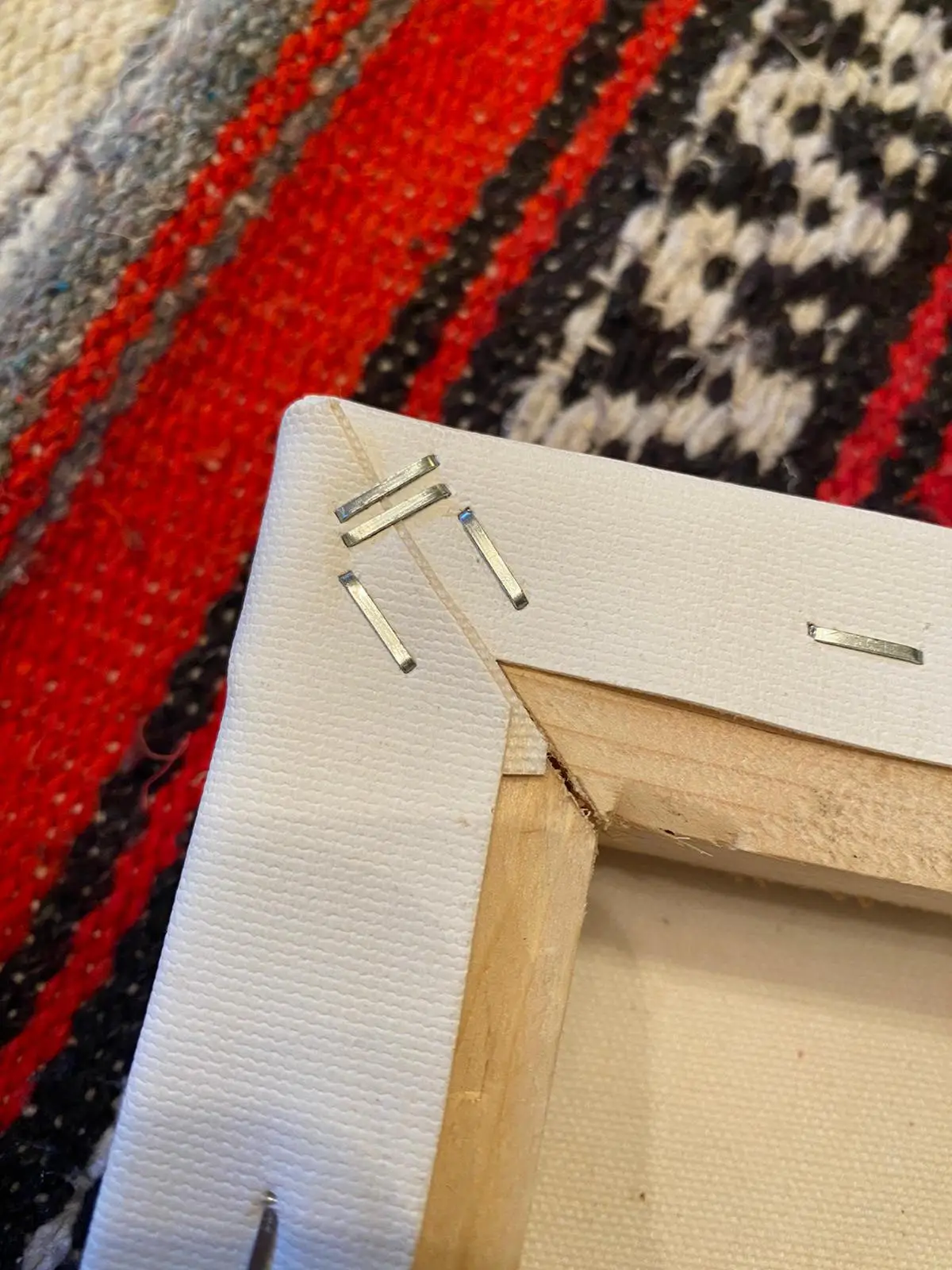
You can also meet the artists connected to WinPrint or learn about our canvas printing and stretching.
Article notes
November 6, 2026: Sources checked against the federal budget and CRA guidance. Prepared with accessible explanations and linked sources. Eligibility and start-date questions remain open. Published as WinPrint’s first Artist Resources article.